Muse: Pocket Communities
human-scale design
neighborliness
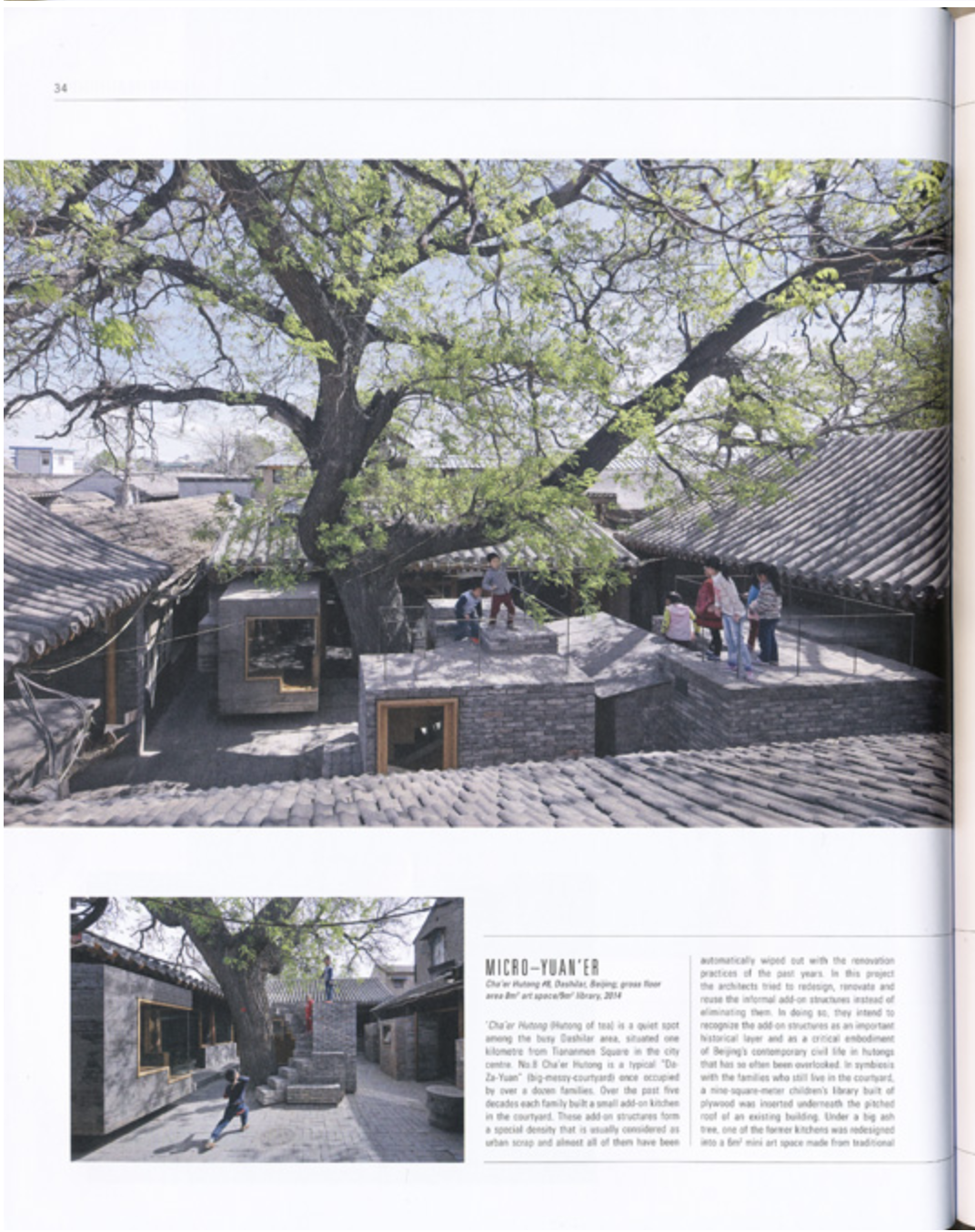
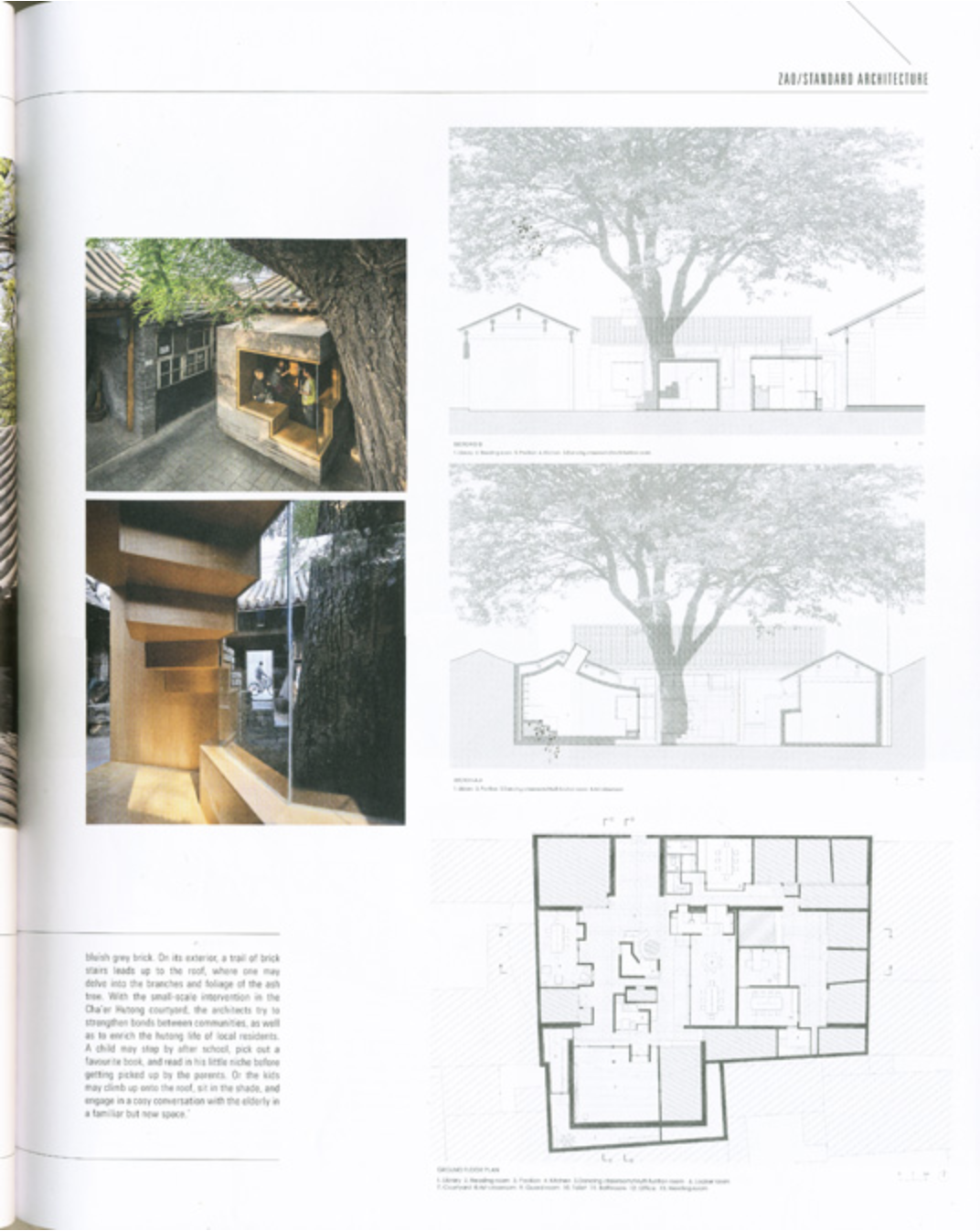
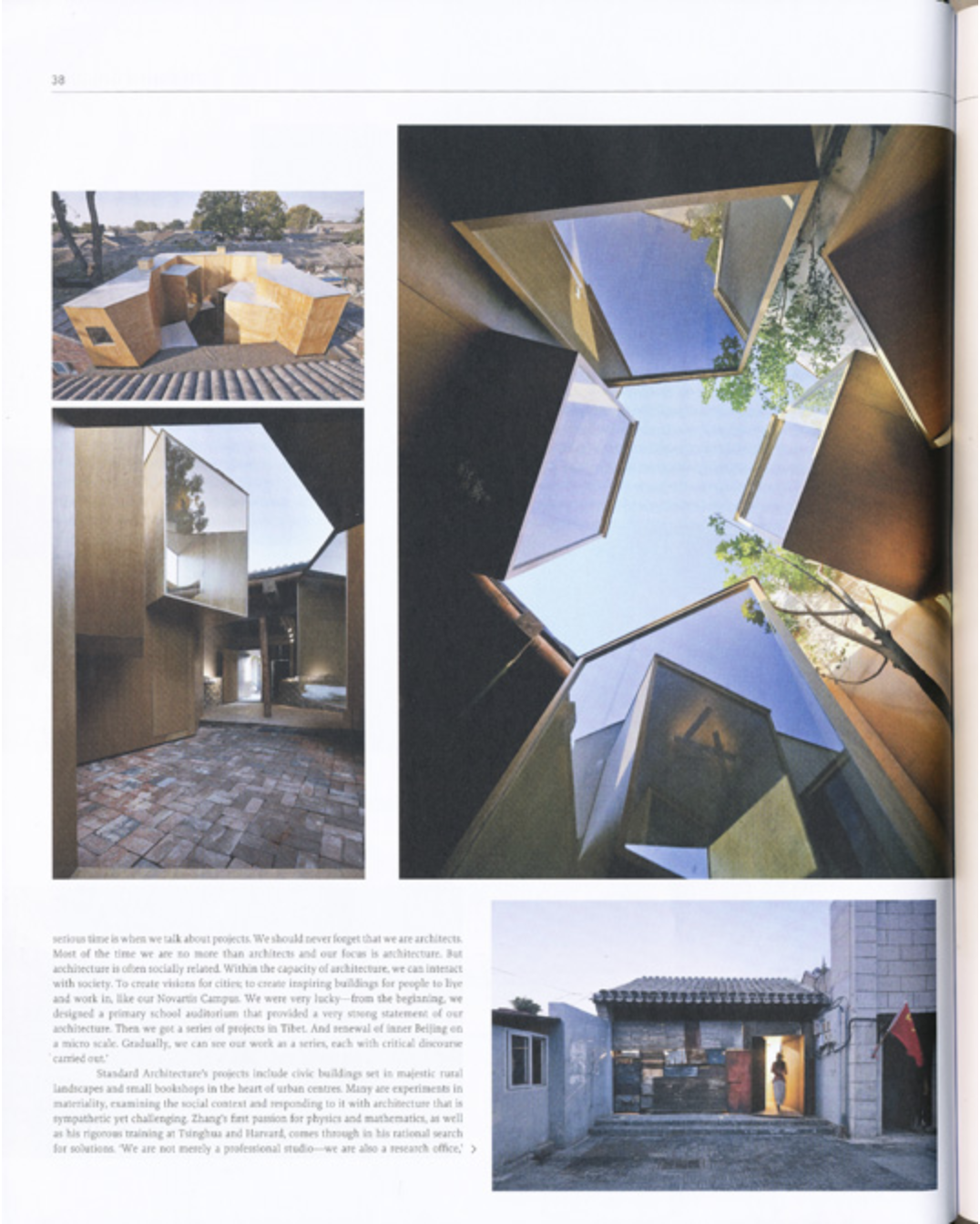
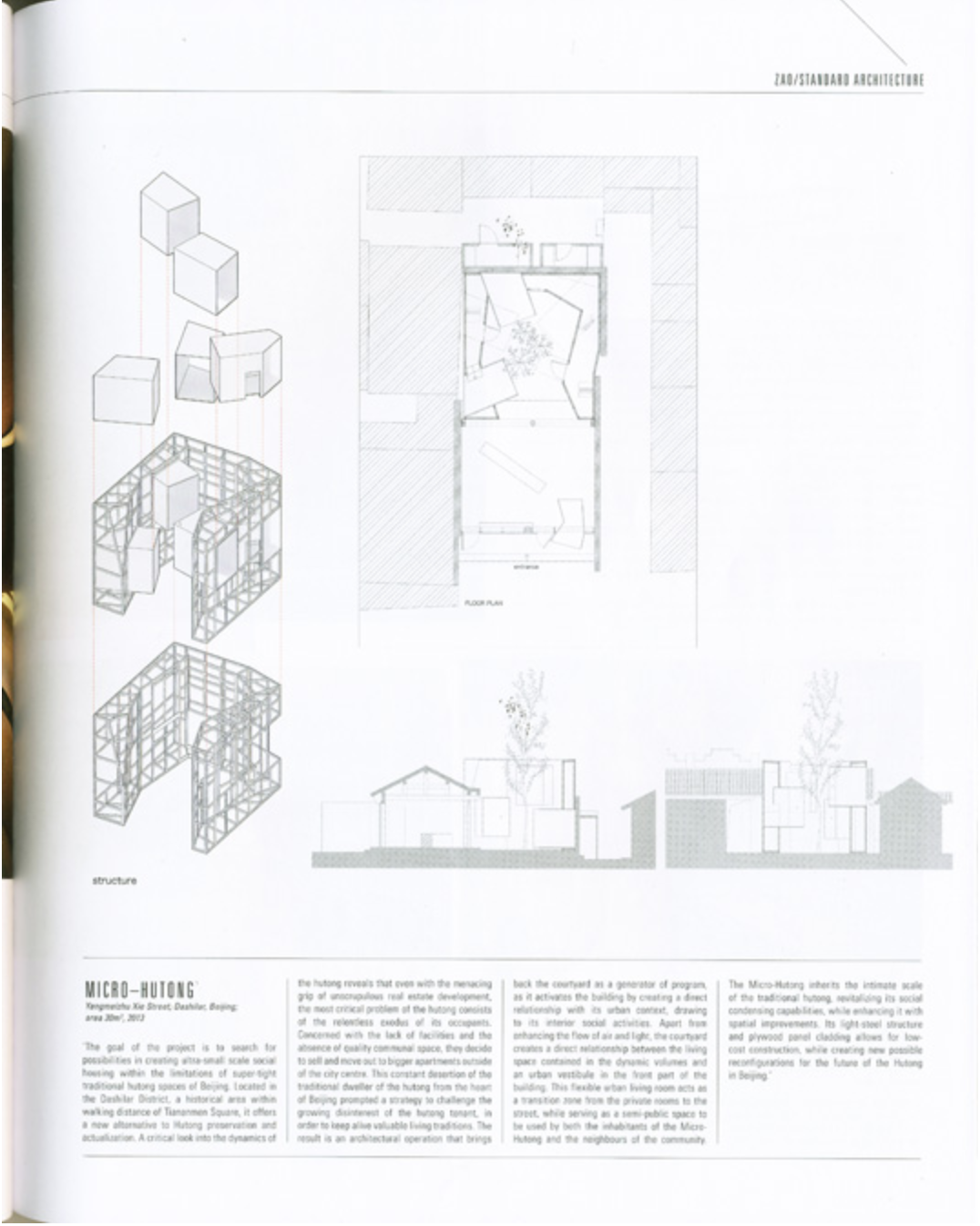
I have had a longstanding dream (read: plan) of partnering with ZAO/standardarchitecture to develop a private membership club within a hutong-inspired pocket: studios, workspaces, concierge, childcare, day-to-night F&B, smaller clubs within the club. The impulse started when I lived in a hutong off Xi Hai Lake in Beijing at nineteen, hosting courtyard parties under draped sheets and lights. The idea has stayed with me through every city and every project since.
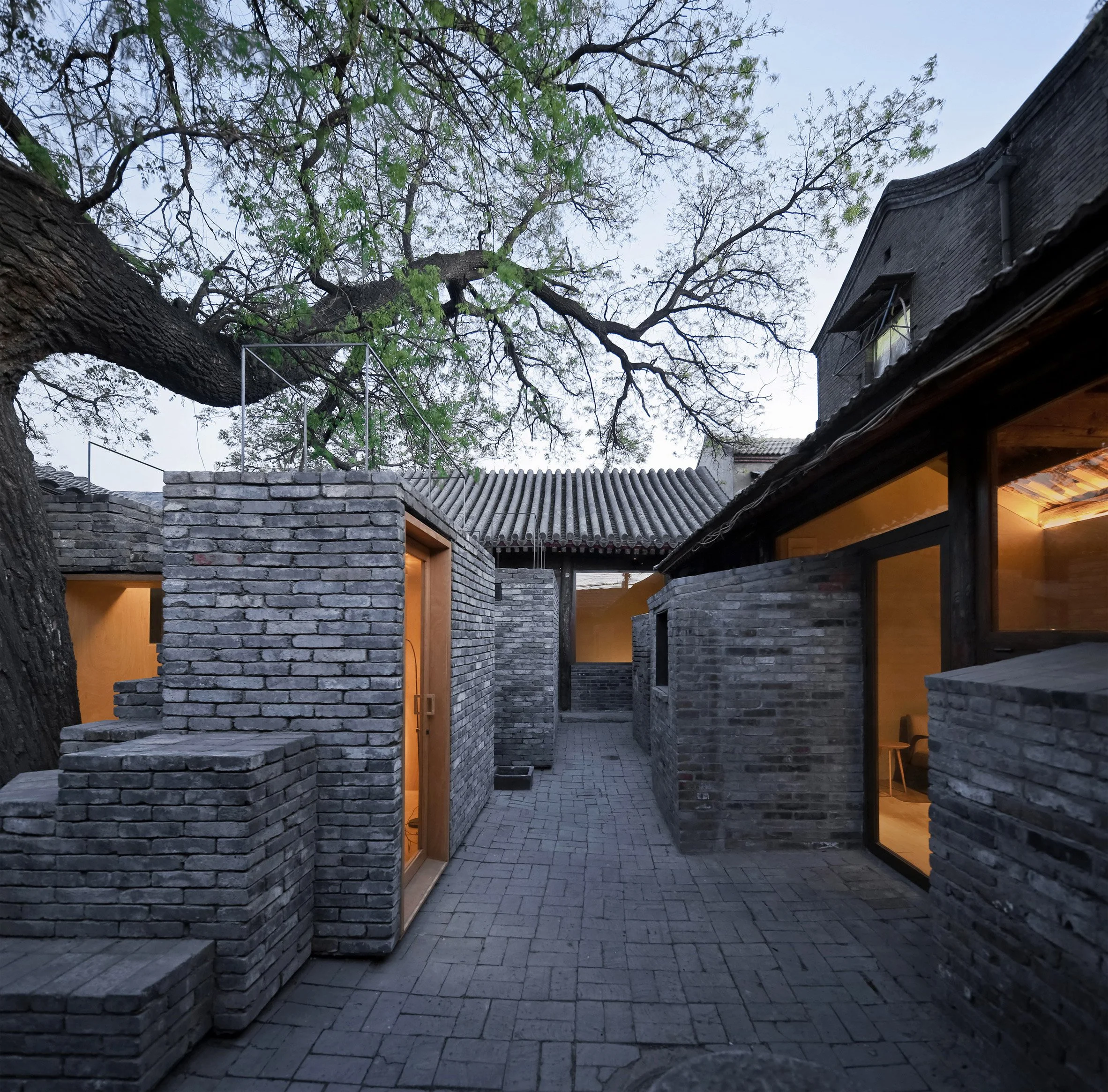
While the dream itself is not new to me, using the word “pocket” to describe it is. I recently learned the term “pocket neighborhood,” coined by architect Ross Chapin in 1996, and it is the closest Western reference I have found to this kind of narrow, courtyard-led design. In my version, though, the rooms opening onto the courtyard are not homes, but softly lit parlours within the club.
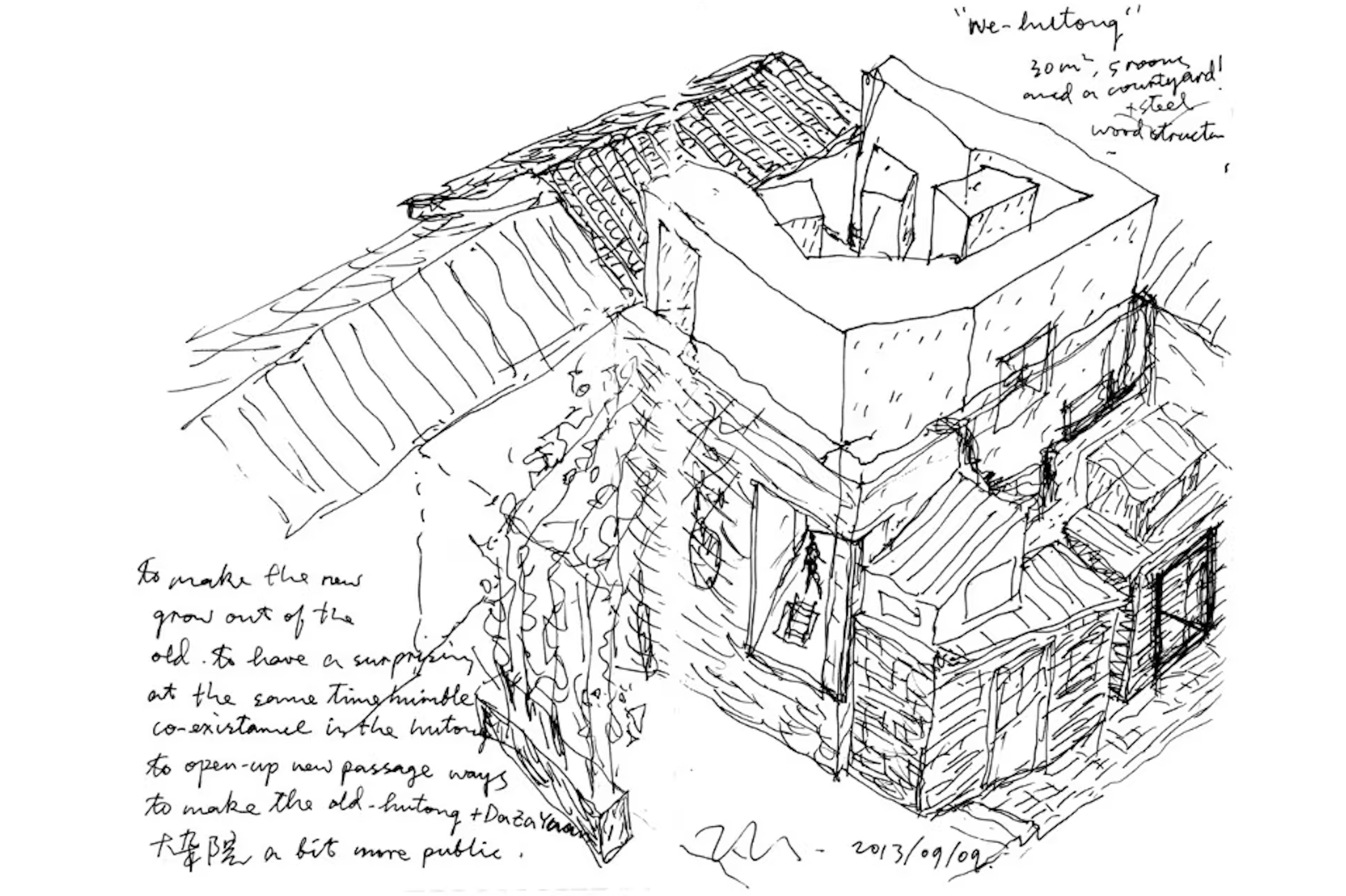
Key Characteristics:
Small-scale: Narrow walkable passages and shared outdoor spaces that prioritize people over cars. These increase natural moments of encounter. Cozier environments feel manageable, safe, and encourage intimacy.
Layered Spaces: A transition from public to semi-private to private areas, designed for varied levels of engagement.
Biophilic Design: Open-air amenities regulate mood, restore attention, and make time spent together feel easier.
Shared responsibility: When people recognize a place as theirs, it creates a greater sense of care. People’s behavior becomes more considerate, and social contracts are reinforced through interactions.
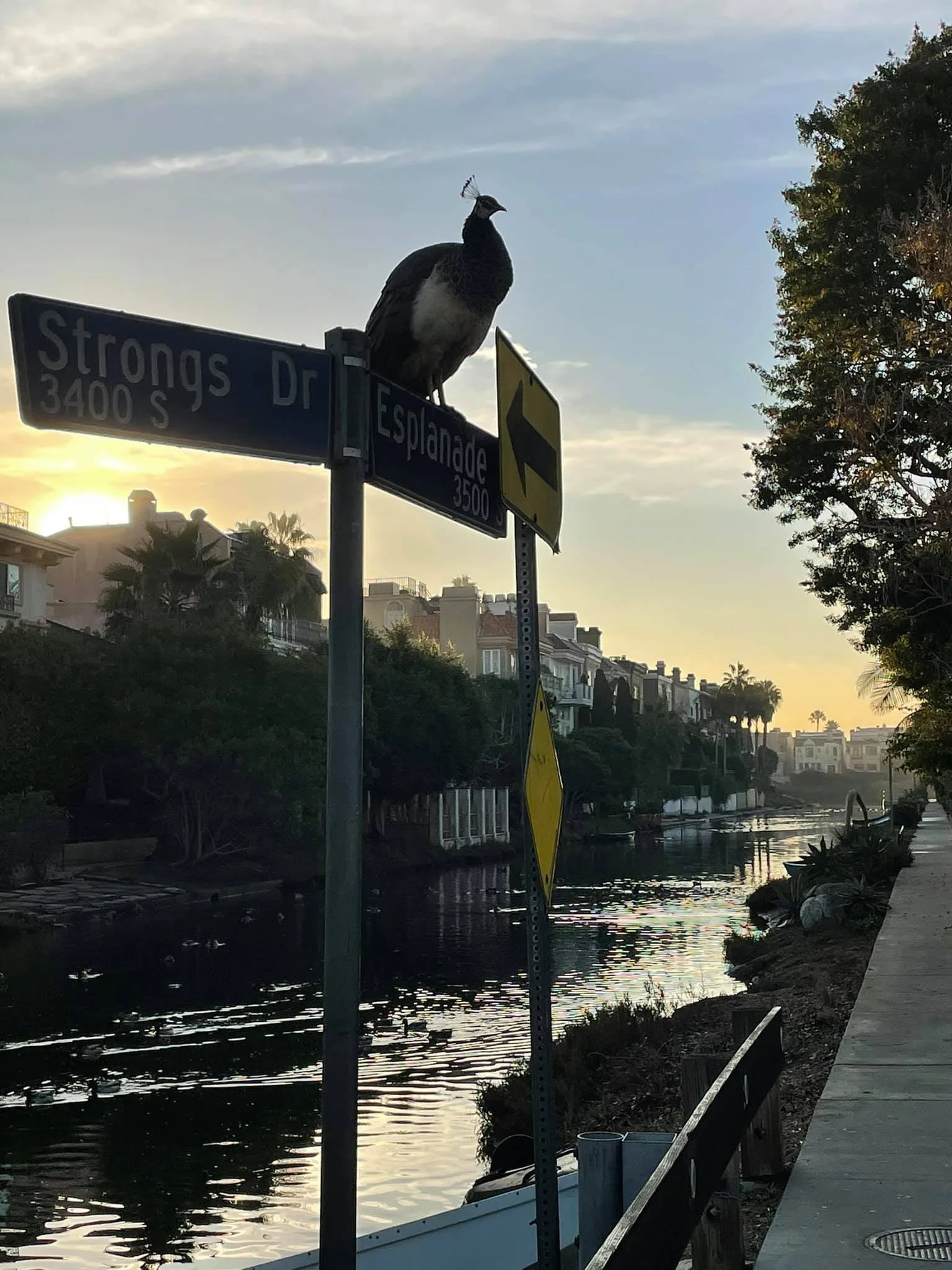
Another memory of a pocket neighborhood that comes to mind is walking my dog Ringo through the Venice canals every morning when we lived in Los Angeles. During COVID, when the world was quiet, our favorite ritual was looking for Tivoli & Lady Claudine, the mysterious peacock & peahen. No one in our community knew where they came from, but we were delighted to have them, and it brought us closer together.
When I think about pocket neighborhoods, or more loosely, pocket communities, I am brought back to moments in my life when I have felt most connected, both to my environment and to the people around me.
The key characteristics are simple, but they make me think about ways I can be better attuned to the ordinary pleasures that inspire joy and connection, and how to more creatively apply them to my own practice.